
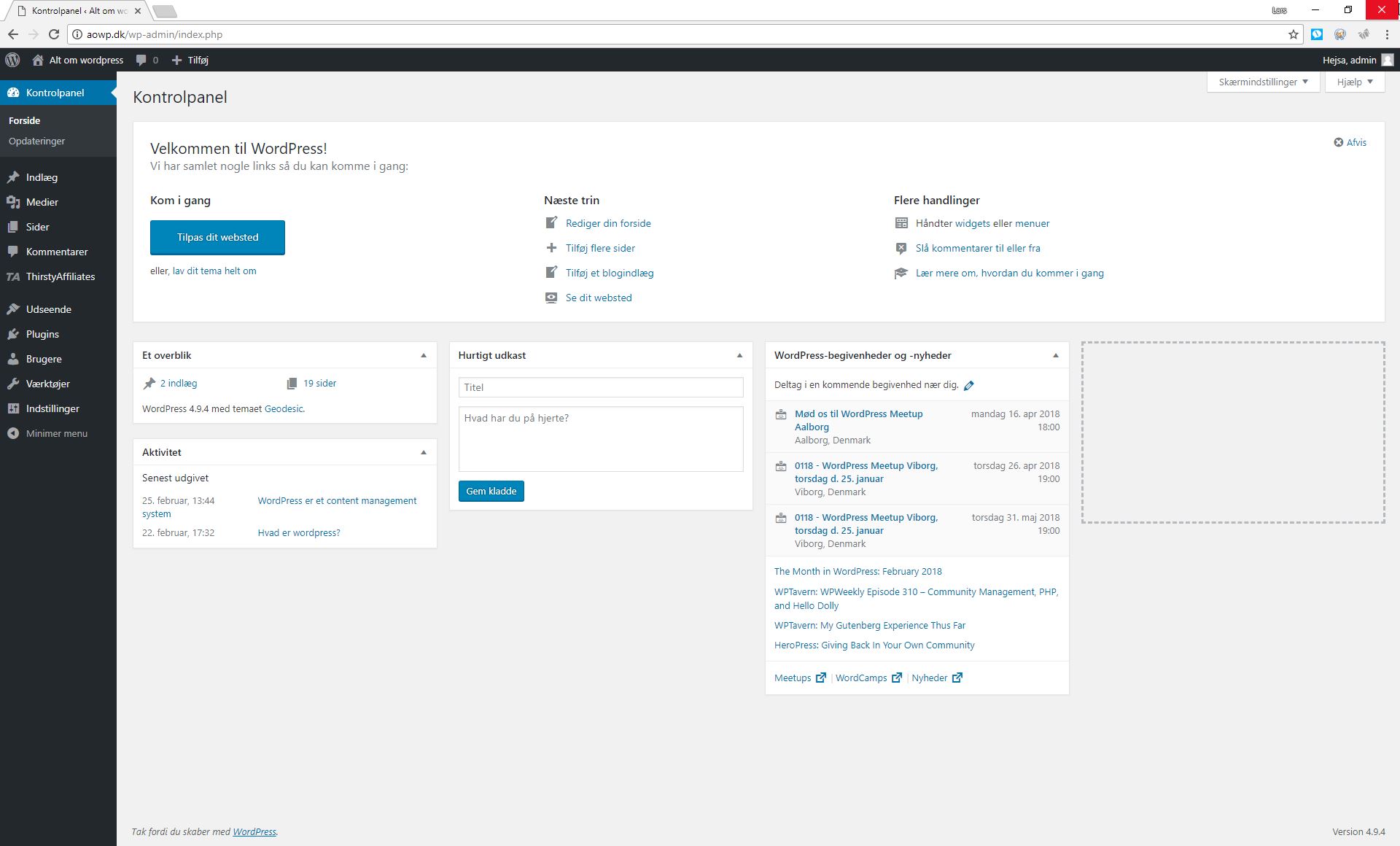
You finally launched your WordPress site. It looks good, it’s live, and it’s doing what it’s supposed to do. Now here’s the part most people miss:
The real power of WordPress doesn’t show up on launch day — it shows up the first time you need to change something fast.
That’s where self-editing becomes a huge advantage, and it all comes down to one key concept: the CMS of a website.
“Your website isn’t something you ‘finish’—it’s something you grow. When you can self-edit using the CMS of a website, you save time, cut costs, and keep your site accurate, active, and trusted—without waiting on anyone else.”
What “CMS of a Website” Actually Means (In Plain English)
A CMS of a website is the system that lets you manage and update your site without needing a developer every time. WordPress is a CMS—meaning it was built so you (or your team) can edit pages, swap images, publish blog posts, update pricing, and keep things fresh.
And “fresh” matters—both for your visitors and for search engines.
1) You Save Money Every Time You Make a Change
Hiring someone for every tiny edit adds up fast:
- “Can you change my hours?”
- “Can you update my services list?”
- “Can you add a new testimonial?”
- “Can you fix a typo on the homepage?”
With the CMS of a website, you can handle these updates yourself in minutes—no invoices, no waiting, no back-and-forth.
Even if you still hire help for bigger improvements, self-editing takes the pressure off your budget for the everyday stuff.
2) You Save Time (and Time is Basically Marketing)
Speed matters online. A lot.
If you’re running a promo, updating seasonal hours, launching a new product, or reacting to customer questions, you don’t want delays.
Self-editing means:
- You can update information immediately
- You can publish a quick post when something changes
- You can correct errors before they cost you credibility
That’s the whole point of the CMS of a website: rapid control.
3) Your Site Stays Accurate, Trustworthy, and Professional
Outdated websites quietly lose customers.
People notice when a site says:
- “Open daily!” but you’re closed Mondays
- Old pricing from last year
- Services you no longer offer
- A dead phone number or broken link
When you can self-edit, your site stays current. And a current site feels more legitimate.
The CMS of a website isn’t just about convenience—it’s about trust.
4) You Can Improve SEO Simply by Updating Content
Search engines love sites that stay active and helpful.
Even small updates can help:
- Adding new FAQs to a service page
- Expanding a page with more useful details
- Publishing new blog posts (like this one!)
- Updating titles and headings for clarity
The more easily you can do that, the more your site can grow over time instead of sitting still.
A solid CMS of a website turns your site into something you can build on—not something you “finish” and forget.
5) You Become Less Dependent on Anyone Else
This one’s underrated.
When you rely on someone else for updates, you end up avoiding updates. Not because you don’t care—because it’s inconvenient.
Self-editing gives you freedom:
- You can test ideas quickly
- You can tweak messaging when you learn what customers respond to
- You can refine your site like it’s a living tool (because it is)
That’s what a good CMS of a website is really for: independence.
6) You Can Keep Your Brand Consistent Everywhere
If you’re posting on social media, running ads, or passing out business cards, your website should match that message.
With self-editing you can quickly:
- Update your homepage to match a new offer
- Change banners to align with seasons/promotions
- Adjust your “About” page as your business evolves
Instead of your branding drifting apart, everything stays aligned—because you control it.
7) Small Improvements Add Up Into a Better Website
Most great websites didn’t launch perfect. They improved.
Self-editing helps you do “micro-upgrades” like:
- Rewriting unclear sections
- Improving calls-to-action (“Call now” / “Get a quote”)
- Replacing low-quality images
- Adding stronger testimonials
- Tightening up your navigation
The CMS of a website makes those upgrades realistic because you don’t need a developer for every little refinement.
Final Thought: Your Website Isn’t a Poster — It’s a Tool
A poster gets printed once and never changes.
A website should evolve. Your services evolve. Your pricing changes. Your business grows. Your customers ask new questions.
When you can self-edit, you keep pace with real life.
And the better you use the CMS of a website, the more your website becomes what it was always meant to be:
A living, flexible, money-making asset you actually control.
Leave a Reply